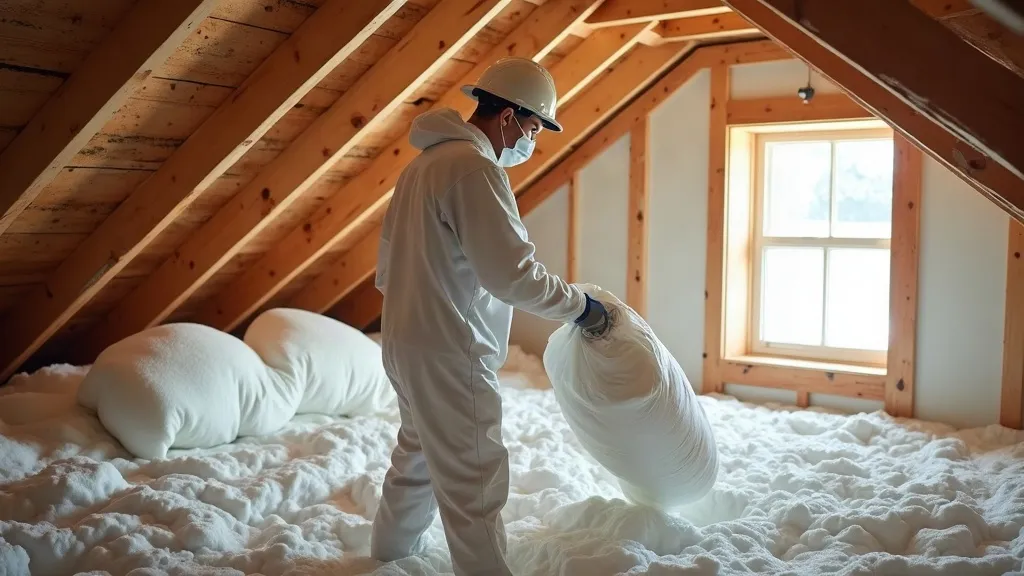
Marketing for insulation contractors
Insulation Marketing That Turns Research Into Qualified Assessments
Answer comfort and efficiency questions clearly, connect them to the insulation services actually offered, and make professional evaluation the natural next step.

How demand behaves
Insulation demand usually starts with a problem, not a product
Homeowners often begin with an uncomfortable room, uneven temperatures, a noisy space, or concern about energy use. They may research attic insulation, removal, air sealing, material types, and incentives before they are ready to contact a contractor.
That longer educational path gives useful content an important role. It also requires restraint: savings, eligibility, comfort improvement, and project scope depend on the property and should not be guaranteed in marketing copy.
Urgent and planned demand
The search paths your insulation contractors need to support
Comfort and performance research
Symptom-led visitors need education that connects the problem to professional assessment rather than a remote conclusion.
- Room too hot
- Uneven home temperature
- Attic insulation needed
Defined insulation services
Customers who know the service need clear scope and a route to discuss the property.
- Attic insulation
- Insulation removal
- Air sealing service
Incentive and material research
Programs and product comparisons require accurate, maintainable information with appropriate caveats.
- Insulation rebates
- Insulation tax credit
- Insulation material comparison

Service architecture
Build insulation content around assessment and real service scope
The page structure should help homeowners learn without promising a universal solution before the property is evaluated.
Attic insulation
Explain assessment, addition, replacement, and related work according to what the contractor actually provides.
Removal and remediation support
Clarify the company’s scope and avoid implying environmental or health services that require other qualifications.
Air sealing and performance
Connect related services to comfort and building-envelope goals without guaranteeing a fixed outcome.
Materials and applications
Discuss only the materials and property types the contractor works with, using plain language and appropriate context.
The connected channel plan
How Local SEO, your profile, the website, and PPC support Insulation growth
Local SEO can earn the lead during insulation research
Core service pages should be supported by useful answers about symptoms, assessment, materials, and current incentive research. Location pages can add climate and market relevance only where that context is supportable, without inventing local program details.
Because program terms can change, incentive content needs ownership, source review, and visible maintenance rather than being treated as evergreen sales copy.
Explore Local SEOUse the profile to make an unfamiliar service easier to understand
Accurate categories, services, service areas, hours, contact details, and real work photography help a homeowner verify what the insulation company does. Photos can show process and materials without exposing customer information or readable property documents.
Reviews should be requested consistently and represented honestly. Avoid turning individual customer comments into broad performance claims.
Explore profile optimizationThe insulation website should educate without overpromising
Clear headings can move a visitor from a comfort concern to relevant services, assessment information, materials, and a contact path. Useful diagrams or real process photography may support the explanation when they accurately match the work.
Claims about energy savings, rebates, tax treatment, health, and comfort should be qualified and updated. The property assessment remains central because buildings and program eligibility vary.
Explore website developmentPaid search can capture service intent after the research stage
Campaigns can focus on defined services, assessments, and selected property needs while educational SEO content reaches earlier research. Landing pages should match the service query and avoid universal savings or eligibility promises.
Negative keywords can filter product retail, DIY installation, jobs, unrelated industrial materials, and informational searches that the campaign is not designed to serve.
Explore PPC managementLead quality and attribution
Measure the path from insulation question to suitable project
Research traffic is useful only when the reporting also shows whether it creates relevant assessments and opportunities.
Educational entry points
Identify which questions introduce suitable visitors to the company’s real services.
Assessment requests
Track inquiries seeking professional evaluation rather than content visits alone.
Service and property fit
Classify requested work, property type, and area according to current capabilities.
Qualified acquisition cost
Compare paid and organic investment with suitable opportunities, not total sessions.
One marketing system
Let education, local discovery, and evaluation work together
Educational pages introduce the company during research. Local SEO and the business profile help the homeowner verify nearby service. Focused service pages and paid campaigns reach stronger commercial intent, and the website connects both paths to an assessment request.
Inquiry feedback reveals which questions lead to suitable projects and which content attracts product shoppers or services outside scope.
Implementation priorities
A practical starting order for insulation marketing
Define real service scope
Document materials, applications, property types, and geographic coverage before expanding content.
Build the assessment path
Connect comfort and performance questions to the appropriate service and contact action.
Govern changing claims
Assign review dates and sources to incentive, rebate, credit, and performance information.
Measure qualified evaluation
Track suitable assessment requests and projects rather than traffic alone.
The services behind the plan
- Local SEO
Show up when people search for your service in your city
- Website Development
Turn the traffic you already have into booked jobs
- PPC Management
Buy leads at a price that still leaves you a profit
- Google Business Profile Optimization
Win the map results your competitors are fighting over
Explore other home service industries
- HVAC marketing
Capture the emergency and the replacement with the same system
- Plumbing marketing
Be the one they can find and call in the first two minutes
- Electrical marketing
Reach three different buyers without one budget eating the others
- Garage Doors marketing
Own the handful of searches that actually turn into work
- Roofing marketing
Win the estimate before the homeowner ever calls
- Landscaping marketing
Sell the recurring contract and the one-time project separately
Frequently asked questions
Insulation marketing questions
What content should an insulation contractor publish?
Prioritize clear service pages and useful answers about assessment, comfort symptoms, materials, process, and current incentives. Avoid universal savings, health, eligibility, or comfort claims.
How should rebate and tax-credit content be handled?
Use authoritative current sources, explain that eligibility and program terms vary, assign a review date, and update or remove stale details. Marketing copy should not promise qualification.
Does insulation PPC work for research-heavy demand?
It can focus on defined service and assessment intent while SEO content supports earlier research. Campaign landing pages should match the requested service and filter irrelevant product or DIY traffic.
What is a useful insulation conversion?
A suitable request for professional assessment or a relevant service conversation is more meaningful than a page view or an unqualified form submission.
Help insulation customers move from uncertainty to evaluation
Connect education, local visibility, service clarity, and qualified lead measurement.